The Ghana Catholic Bishops Conference has urged the government to treat the ongoing debate over family values and LGBTQI+ issues with greater seriousness, warning that dismissing the matter as unimportant undermines a conversation many Ghanaians consider morally and culturally significant.
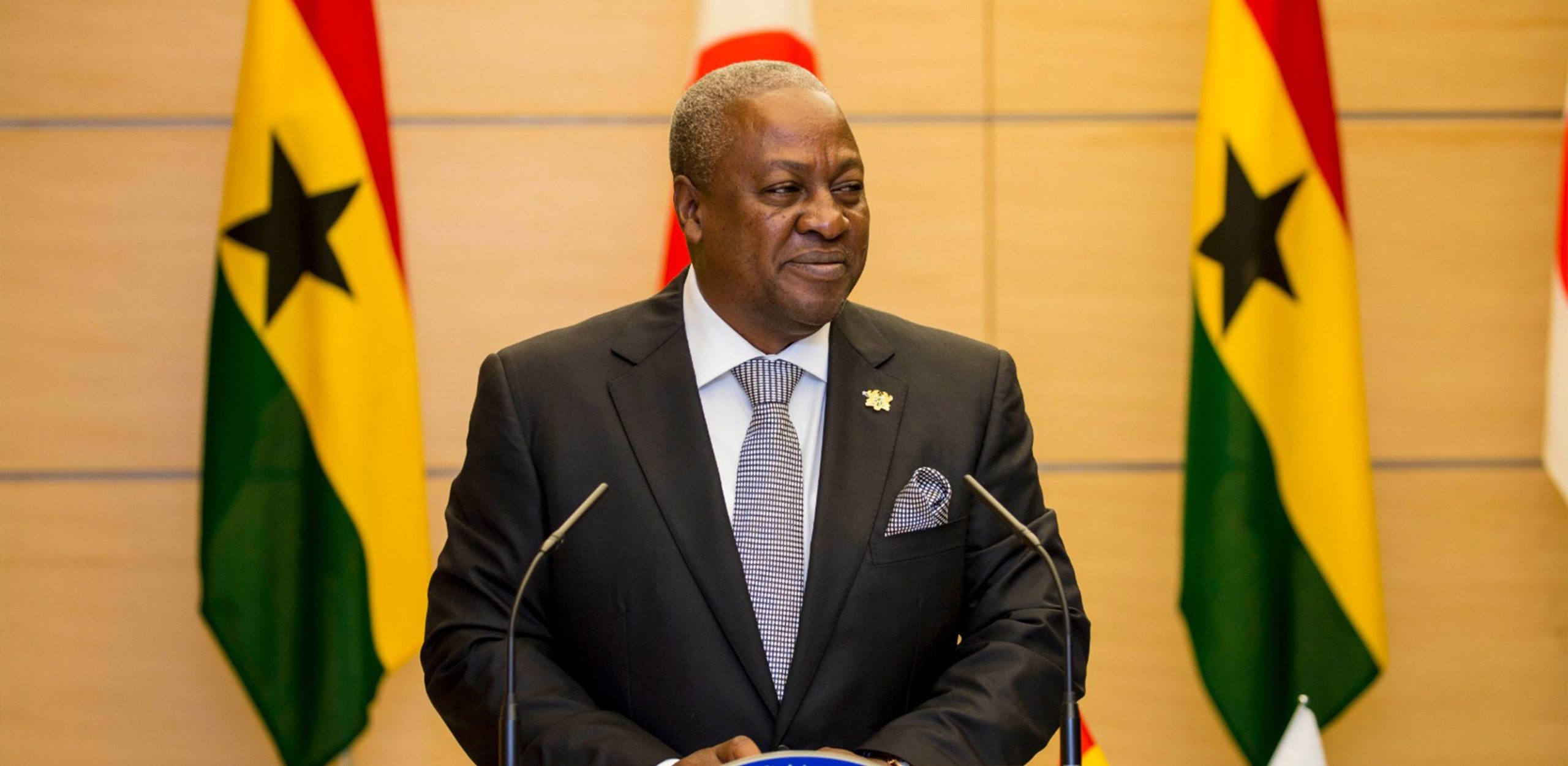
In the statement dated Friday, April 10, 2026, and signed by its President, Most Rev. Matthew Kwasi Gyamfi, the Conference responded to recent remarks by President John Dramani Mahama and by Minister of Government Communications, Felix Kwakye Ofosu, regarding the prominence of LGBTQI+ issues in Ghana’s public discourse.
According to the bishops, the President’s reported assertion that LGBTQI+ matters are “not the most important issue we face as a nation,” together with the Minister’s suggestion that such matters are “not a major priority for Ghanaians” and a “waste of time,” risk trivialising a debate that carries profound moral and social implications.
“Even if intended to prioritise urgent socio-economic concerns, such descriptions risk conveying that certain moral questions may be set aside as inconsequential,” the bishops stated, adding that “no question that touches the structure of human identity, family life, and social continuity can be trivial.”
The Conference rejected what it described as a false choice between addressing economic challenges and preserving moral values, insisting that economic progress and ethical coherence are mutually reinforcing rather than competing priorities.
“It is analytically unsound to frame a choice between economic progress and moral coherence. The two are not rivals but companions,” the bishops noted.
They further argued that “stable family structures correlate with improved educational outcomes, reduced crime rates, and greater economic mobility,” describing the family as “a nation’s most efficient social welfare system.”
The bishops maintained that the persistence of the family values debate reflects its significance to the Ghanaian public, stressing that issues surrounding marriage, sexuality, and family life remain central to the moral convictions of many citizens.
“For a significant majority of Ghanaians, questions surrounding marriage, sexuality, and the family are not peripheral curiosities. They are matters of deep moral, religious, and cultural significance,” the statement said.
Reaffirming the Catholic Church’s longstanding doctrinal position, the Conference defined family values as “the understanding of marriage as a lifelong union between one man and one woman, ordered toward mutual good and the procreation and formation of children.”
The bishops also sought to balance their defence of traditional family structures with a call for the protection of individual dignity, stressing that all persons must be treated with respect irrespective of sexual orientation or identity.
“No individual, regardless of sexual orientation or identity, may be subjected to violence, hatred, or unjust discrimination,” they said, condemning such acts as “moral failures and social wounds.”
At the same time, the Church reiterated what it described as the “legitimate responsibility of society to uphold and protect the institution of the family, founded upon the union of a man and a woman.”
On the controversial Human Sexual Rights and Family Values Bill, the bishops recalled President Mahama’s earlier public assurance that he would assent to the legislation if duly passed in accordance with constitutional procedures.
“Should Parliament complete its deliberations and pass the Bill, we urge the President to honour this assurance,” the statement said.
However, the Conference acknowledged that some aspects of the Bill have raised legitimate concerns and should be carefully reviewed to ensure that the final legislation reflects both “the moral convictions of the Ghanaian people” and “the constitutional commitment to human dignity and fundamental rights.”
The bishops concluded by calling for a more respectful and intellectually serious national conversation on the issue, warning against dismissive rhetoric from public officials.
“To describe such a debate as a ‘waste of time’ risks alienating citizens for whom these issues are existentially meaningful,” they cautioned.
They urged the executive, legislature, religious leaders, traditional authorities, and civil society to engage in dialogue marked by “intellectual seriousness, mutual respect, and moral clarity,” emphasizing that “the tone of our discourse matters as much as its content.”
Positioning itself as an active but constructive participant in the national conversation, the Catholic Church said it would continue to contribute to the debate “not as one who imposes, but as one who proposes, confident that truth, when patiently articulated, has a quiet persuasive power.”