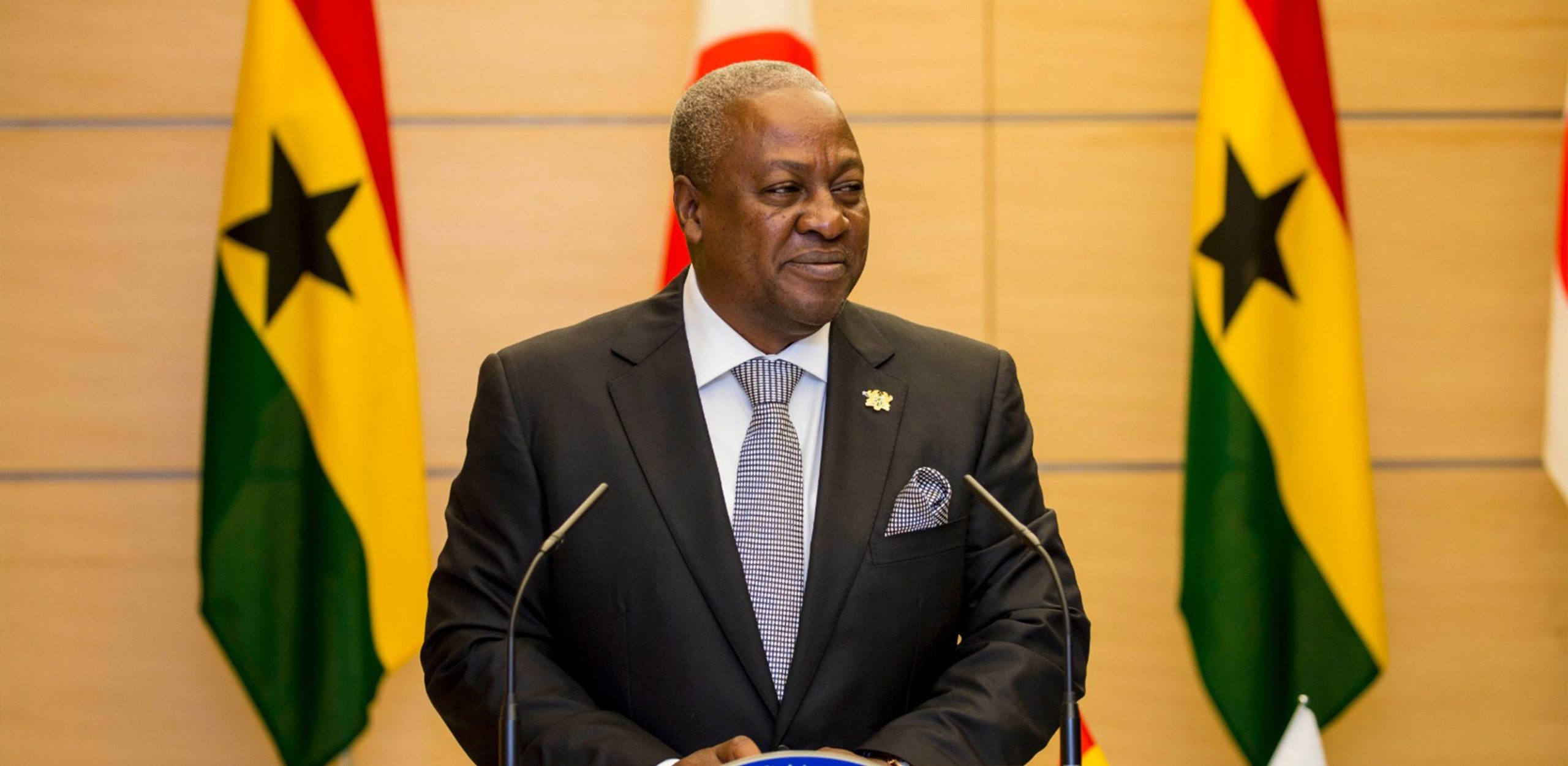
President John Dramani Mahama has extended an open invitation to Japanese investors, urging them to take advantage of fresh opportunities in Ghana and across Africa.
He described the continent as the “next frontier for global investment,” calling for stronger Ghana–Japan partnerships that would deliver mutual growth.
“Most parts of the world are saturated when it comes to investment. Africa is opening up, growing, and is a place that Japan should be looking at. Let us marry Japanese position with Ghanaian potential and create a win-win situation,” he said.
The President made these remarks at the Ghana Presidential Investment Forum, held on the sidelines of the 9th Tokyo International Conference on African Development (TICAD IX).
Highlighting the remarkable performance of the Ghanaian cedi in 2025, Mahama noted:
“For those of you who know the history of the Ghanaian cedi, it’s been one of the most volatile currencies in Africa. A few years ago, it was described as the worst-performing currency. I am happy to announce that this year, the Ghana cedi has been the best-performing currency in the world.”
He attributed this turnaround to restored macroeconomic stability and renewed investor confidence, citing reforms that have reduced inflation, improved Ghana’s credit rating, and lowered the cost of doing business.
“Inflation rose to almost 23% in 2024 but is currently down to 13.7%. By year’s end, we expect it to fall into single digits. Our sovereign rating has been lifted from junk status to B-minus with a stable outlook, and I am confident further upgrades will follow,” Mahama explained.
Positioning Ghana as a gateway to West Africa, he stressed the country’s role as host of the African Continental Free Trade Area (AfCFTA). He noted that nearly 50 countries have signed agreements enabling duty-free, tariff-free trade across African markets.
“Once you register your product and meet the standards, you can export into these markets without duties or tariffs. That opens access to a continental market of 1.4 billion people,” he emphasized.
Mahama also outlined investment reforms, pointing to amendments to the Ghana Investment Promotion Centre Act that remove entry barriers for foreign investors.
“Previously, you had to prove that you brought in a certain minimum capital to qualify as a foreign investor. In the reviewed law, we are eliminating those requirements. This means even if you have $50,000 or $100,000, you can start a business in Ghana,” he said.
He identified automobile assembly, agribusiness, energy, and manufacturing as priority sectors for collaboration with Japan.
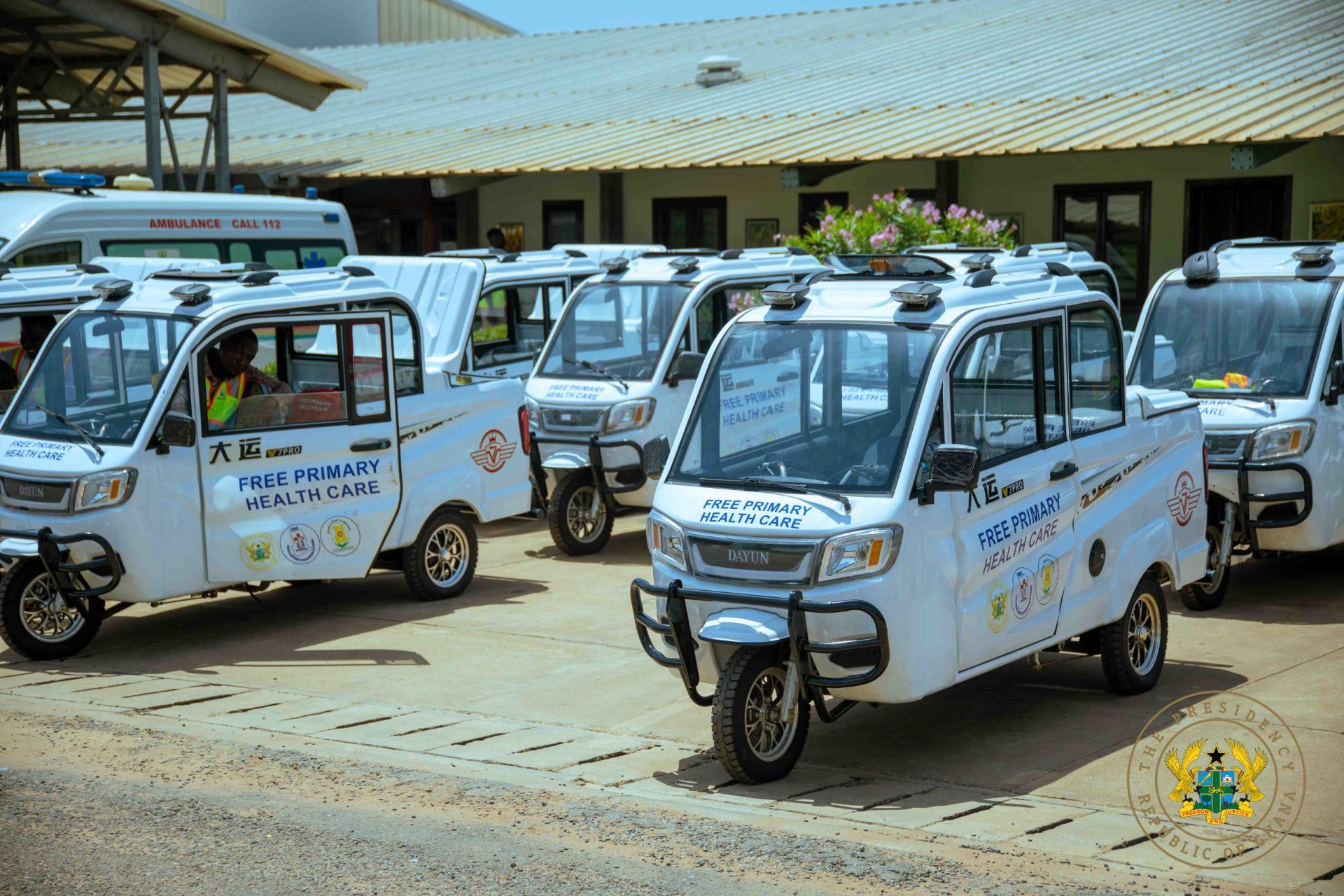
“Japan has a comparative advantage in automobile manufacturing. Ghana is strategically placed for local assembly and re-export into the wider African market. Already, some Japanese firms are assembling vehicles in Ghana for both domestic use and regional export,” he noted.
On agriculture, Mahama highlighted the Volta Economic Corridor project, which seeks to harness the Volta Lake for irrigation and industrial expansion.
“The corridor has millions of hectares of arable land bordering the lake. With irrigation, we can bring about 2 million hectares under cultivation. Beyond farming, we plan to establish industrial parks for agro-processing, textiles, and manufacturing aimed at export markets in the EU, the US, and beyond,” he explained.
Energy, infrastructure, and technology were also emphasized as pillars of Ghana’s investment drive. Mahama pointed to the country’s expanding ports, renewable energy potential, and thriving digital economy.
“Ghana has a young, dynamic, English-speaking population that is quick to adapt to new technologies. Our fintech sector is among the fastest-growing in Africa, and our talent pool is ready to take on fields like robotics, AI, and advanced digital skills,” he said.
Reassuring potential partners, the President underscored Ghana’s reputation as a stable, democratic, and business-friendly destination. He expressed confidence that Japanese investors would find in Ghana not only a market, but also a strategic platform for expansion across the African continent.