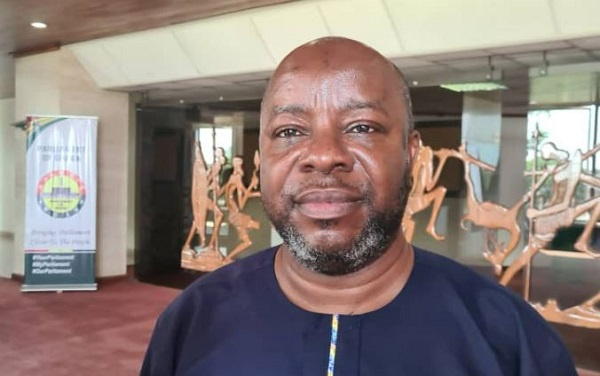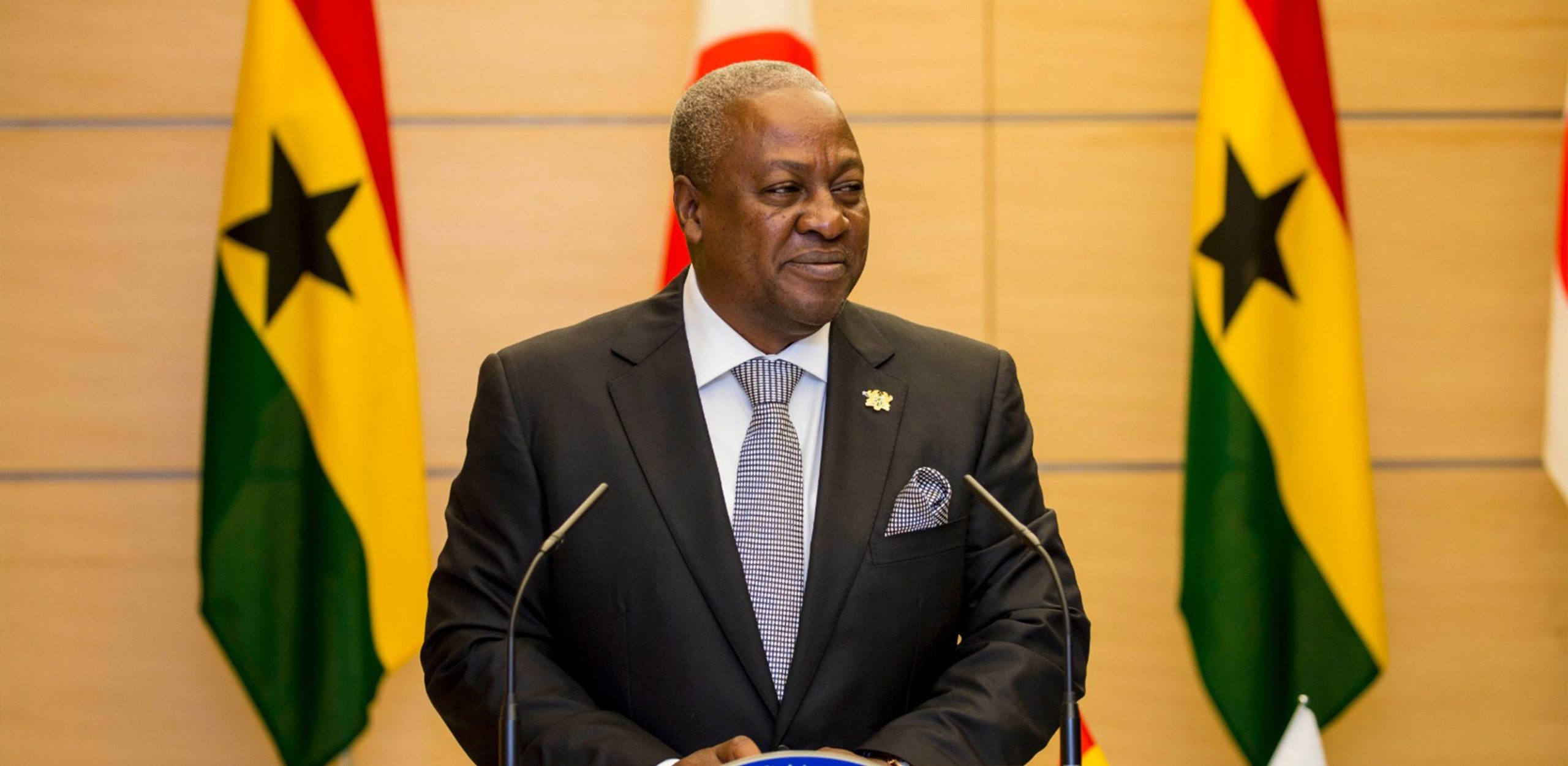
Former President John Dramani Mahama has unveiled an ambitious eight-point economic strategy aimed at restoring investor confidence, enforcing fiscal discipline, and laying the foundation for long-term economic growth.
He presented the plan at the 9th Ghana CEO Summit, held on Monday, May 26, at the Kempinski Hotel in Accra.
Addressing the country’s top business leaders and policymakers, Mahama expressed optimism that effective implementation of the strategy would bring substantial economic benefits to Ghana, pointing to the recent appreciation of the cedi as a sign of potential recovery.
Key highlights of Mahama’s 8-point economic strategy:
- Completing the IMF Programme:
Mahama emphasized a commitment to strict fiscal discipline to meet the International Monetary Fund’s benchmarks and successfully exit the programme by 2026. - Reopening Capital Markets:
He outlined plans to reopen Ghana’s access to capital markets, in collaboration with the IMF, Bank of Ghana, and domestic financial institutions. - Strengthening Sovereign Wealth Funds:
Mandatory contributions to Ghana’s Sinking Fund and Stabilization Fund will be enforced to enhance financial resilience. - Clearing Government Arrears:
A comprehensive audit of outstanding government arrears will be conducted, and all verified debts will be cleared through a transparent process. - Reforming Public Financial Management:
Mahama pledged to reactivate and strengthen initiatives such as the Treasury Single Account and integrated tax administration systems. - Revitalizing Exports:
The Ghana Exim Bank will be repositioned to support non-traditional exports and drive job creation across key sectors. - Building a Regional Economic Hub:
Ghana will be developed into a commercial, transportation, and digital services hub in West Africa, attracting foreign investment and boosting competitiveness. - Infrastructure Development:
Infrastructure expansion will be pursued through innovative public-private financing models to accelerate national development.
Mahama’s proposal seeks to tackle Ghana’s current economic challenges while charting a sustainable path for future growth. He concluded his remarks by calling for unity and collective effort in driving Ghana’s economic transformation.