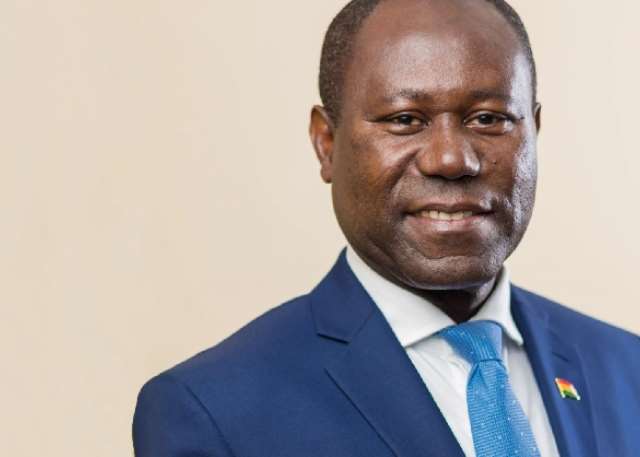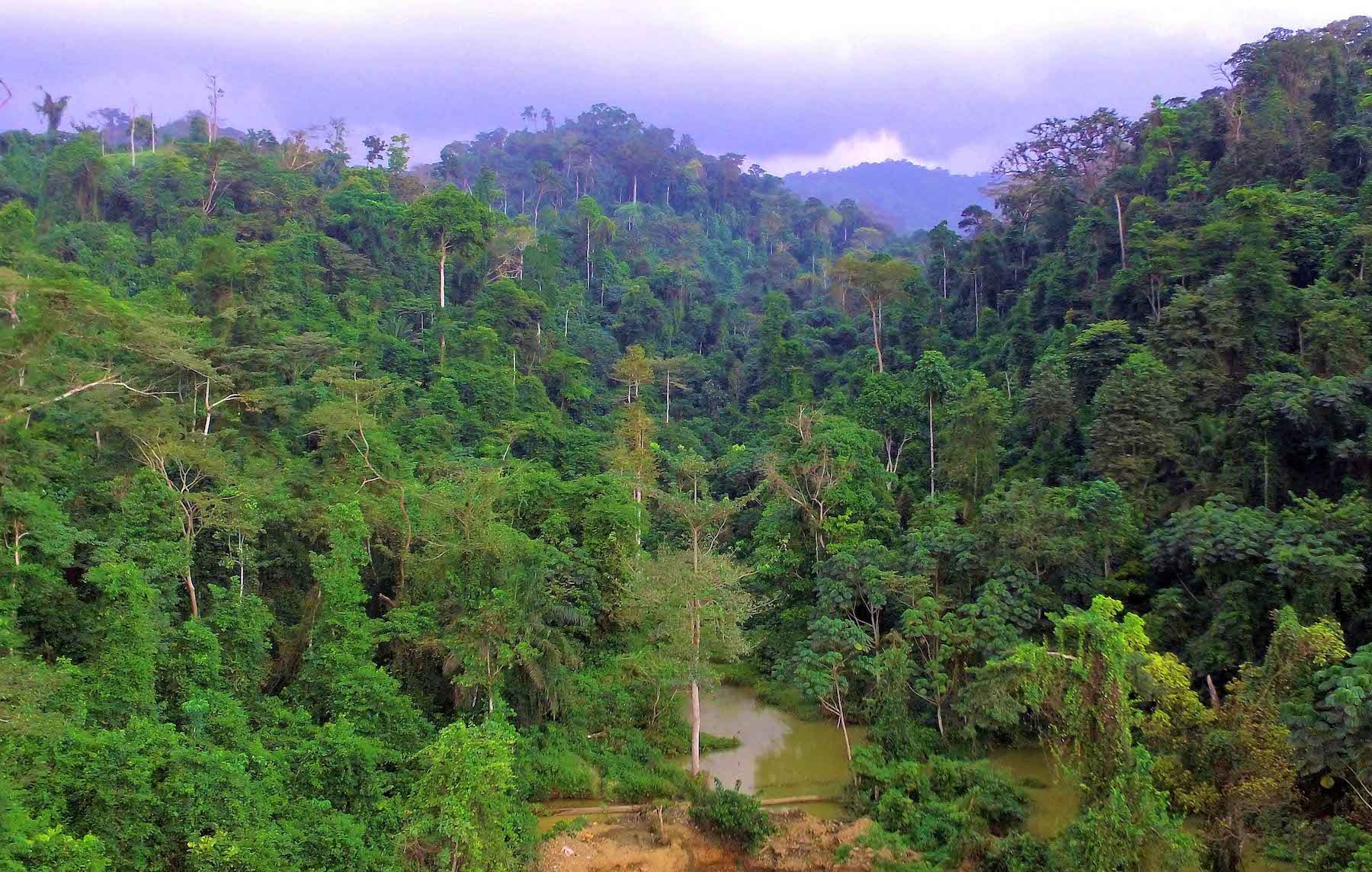
GHANA will require more than GH¢19 billion to restore its degraded forest lands, the Board Chairman of the Forest Plantation Development Fund (FPDF), Professor Martin Oteng Ababio, has said.
He explained that it would cost between GH¢1.5 million and GH¢2 million to restore each hectare of the estimated 9,500 hectares of forest destroyed through various human activities.
Speaking to the media in Accra yesterday on the role of the Fund in restoring the country’s lost forests, Prof. Ababio warned that Ghana was “sitting on a time bomb” due to the rapid depletion of its forest cover and stressed the need for urgent action to reverse the trend.
He identified illegal mining, popularly known as galamsey, as a major threat, alongside illegal chainsaw operations and charcoal production, which he described as equally damaging.
Prof. Ababio said indiscriminate tree felling for commercial purposes continued to deplete forest resources and required immediate attention.
He emphasised that beyond tree planting, sustained maintenance remained the biggest challenge to successful forest restoration.
“Planting is the easy part. Without proper maintenance, protection and water supply over several years, the effort will not yield results,” he said.
He noted that reversing the trend would require a reliable and sustained source of funding, as well as a shift in forest resource management practices.
Prof. Ababio further stated that the huge funding requirement, coupled with structural weaknesses within the Fund, posed a serious threat to Ghana’s forest restoration agenda.
He explained that the FPDF, established on October 4, 2000 under Act 583 and revised in 2002 by Act 623, is mandated to provide financial and technical support for private forest plantation development.
However, he indicated that the Fund had struggled to achieve the expected impact due to years of operational inefficiencies.
According to him, one of the major setbacks facing the Fund was the grant disbursement model used over the past eight years.
He stressed that while grants are not recoverable, loans are expected to be repaid after about 15 years, when trees mature.
He noted that the use of grants for disbursement to farmers had affected the sustainability of the Fund.
Prof. Oteng Ababio said the immediate priority of the new Board was to assess the Fund’s operations and determine how it could be restructured to ensure it delivered on its mandate.
To that end, he disclosed that a comprehensive audit was currently underway to evaluate past beneficiaries and interventions, ensure accountability, and prevent a recurrence of past challenges.
He further indicated that revenue inflows into the Fund had declined due to gaps in the legal framework governing timber export levies.
He explained that some widely exported species, particularly teak, were not captured under the existing law, thereby limiting the Fund’s revenue base.
“As long as such species are not included under the law, we cannot tax them, and that affects the Fund’s capacity,” he said, and called for amendments to the legislation.
He expressed confidence that with the right reforms, the Fund could play a pivotal role in supporting national reforestation efforts.
However, he stressed the need to address issues of transparency, accountability and limited public awareness about the Fund.
“There must be clear criteria for accessing support, and stakeholders must be adequately informed,” he said.
Prof. Ababio said his vision was to reposition the Fund to contribute meaningfully to forest restoration while improving livelihoods.
He outlined plans to expand tree planting initiatives in schools and communities, including the provision of shade and fruit trees, as well as water systems to ensure sustainability.