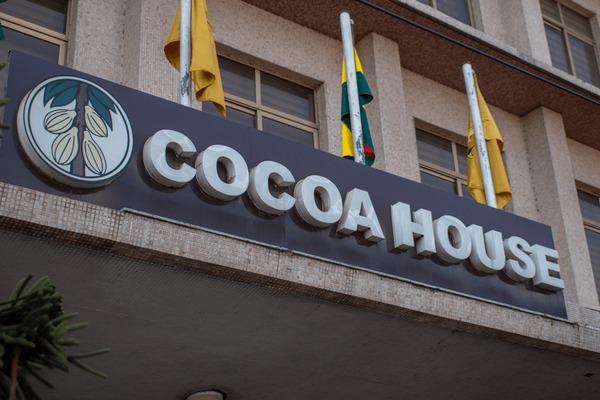
Labour unions in Ghana’s cocoa sector have welcomed the government’s latest reform measures aimed at reviving the cocoa industry but have strongly rejected plans to cut the salaries of senior and management staff of the Ghana Cocoa Board (COCOBOD), describing the move as unlawful and demoralising.
In a joint statement dated February 17, 2026, the Industrial and Commercial Workers’ Union (ICU-Ghana) and the General Agricultural Workers’ Union (GAWU) said they supported the government’s broader restructuring efforts but demanded an immediate reversal of the proposed pay cuts.
“The decision to reduce the salaries of senior and management staff… is totally unacceptable,” the unions stated, adding that the decision was taken without adherence to labour laws and existing collective bargaining agreements.
The unions were reacting to government announcements made on February 12, 2026, outlining a series of reforms intended to restructure COCOBOD’s operations and stabilise the cocoa industry.
They described the reforms as “laudable and economically prudent,” particularly the introduction of a new financing model which would allow COCOBOD to allocate up to 50 per cent of cocoa output to local processing companies, including the Produce Buying Company (PBC).
According to the unions, the policy would boost domestic cocoa processing, create jobs for the youth, and reduce Ghana’s dependence on raw cocoa exports.
They also welcomed the government’s decision to transfer COCOBOD’s legacy debts to the Ministry of Finance and the Bank of Ghana, as well as plans to introduce an automatic producer price adjustment system based on global market trends and exchange rate movements.
“These interventions will give COCOBOD and PBC a new lease of life,” the statement said.
However, the unions criticised management’s decision to reduce the salaries of some senior and management staff by between 10 and 20 per cent, arguing that some of the affected workers were unionised and that the cuts were implemented without consultation.
They said the action breached labour regulations and existing collective agreements.
The statement, signed by Mr. Morgan Ayawine of ICU-Ghana and Mr. Andrews Addoquaye Tagoe of GAWU, called for fresh engagement with workers’ representatives to resolve the matter.
COCOBOD has faced increasing financial pressure in recent years, with rising debts, operational challenges and declining productivity raising concerns among farmers, workers and policymakers.
Cocoa remains one of Ghana’s major foreign exchange earners, and stakeholders have warned that prolonged instability in the sector could affect the broader economy.
The unions said they had raised concerns about COCOBOD’s financial situation since last year and believed the reforms reflected long-standing proposals made by organised labour.
Beyond the salary issue, the unions also called for stronger institutional safeguards to protect COCOBOD from political interference.
“There is a need to create structures and systems that will insulate COCOBOD from external pressures and partisan politics,” the statement noted.
They expressed confidence that workers across COCOBOD’s divisions and subsidiaries would redouble their efforts to help the board achieve its mandate once outstanding labour concerns were addressed.
The statement was issued as the government continues to roll out reforms aimed at restoring confidence in Ghana’s cocoa sector and safeguarding its long-term sustainability.