The Government of Ghana, through the Ministry of Local Government, Decentralisation and Rural Development (MLGDRD), has unveiled plans to construct modern 24-hour markets across all 261 Metropolitan, Municipal and District Assemblies (MMDAs) nationwide.
The initiative forms part of the Government’s broader 24-Hour Economy agenda, aimed at stimulating economic activity, creating sustainable jobs and strengthening urban infrastructure to support round-the-clock commerce.
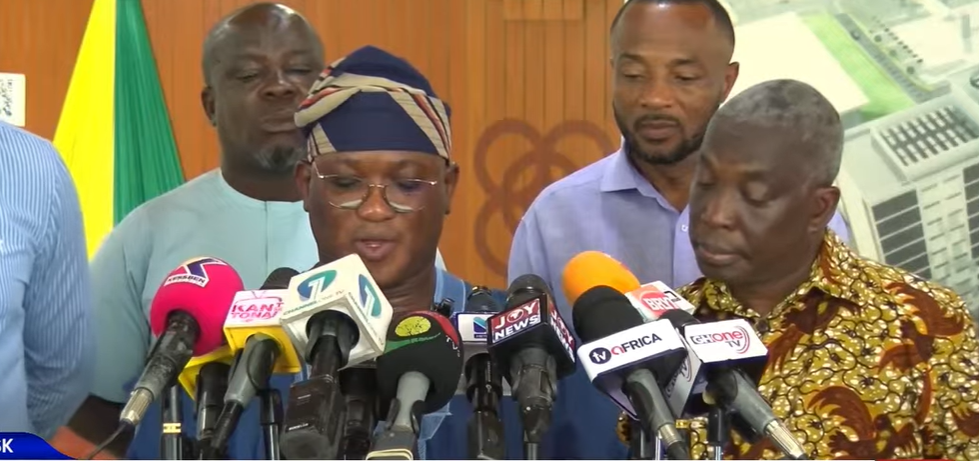
Mr Ahmed Ibrahim, Minister for Local Government, Decentralisation and Rural Development, said the proposed markets would serve as multi-functional facilities designed to improve trading conditions and enhance public health standards.
“The goal is to transform our local markets into safe, modern and accessible trading hubs that can operate efficiently throughout the day and night,” he said.
The Minister explained that the facilities would include modern sanitation and waste management systems, reliable water supply, hygienic vending spaces, proper drainage networks, and adequate security and lighting to support night-time operations.
Construction works are expected to commence in December this year, with a completion target of December 2027 for Assemblies that have secured suitable land for the projects.
Mr Ibrahim said the inclusion of all 261 MMDAs underscored Government’s commitment to inclusive national development.
“We want every district urban or rural to have a functioning 24-hour market that will support local economic growth and create decent jobs, particularly for women and the youth,” he added.
The 24-hour model is expected to enable businesses to operate beyond traditional trading hours, increase productivity, attract investment and respond to growing demand for flexible business operations.
The markets are considered a cornerstone of the 24-Hour Economy policy framework, which seeks to expand employment opportunities in key sectors such as retail, services and logistics by enabling continuous business operations.
By formalising informal trading and providing structured facilities, the initiative is expected to boost local revenue mobilisation, reduce congestion in city centres and enhance public safety.
Economists say such investments could generate multiplier effects, stimulating ancillary industries including transportation, storage, food supply chains and night-time services.
The Ministry believes the project will also address longstanding challenges associated with traditional markets, such as poor sanitation, flooding and inadequate waste disposal systems.
Analysts, however, caution that sustaining 24-hour operations may involve additional costs, including security, energy, sanitation and transport services, requiring careful financial planning and maintenance strategies.
Under the arrangement, MMDAs will be responsible for identifying and securing land, supervising construction and managing the completed facilities.
Government says the initiative aligns with its decentralisation and urban development agenda, aimed at empowering local authorities to manage infrastructure and services that directly impact citizens’ lives.
When completed, the nationwide 24-hour markets are expected to transform Ghana’s retail landscape, strengthen rural-urban economic balance and contribute significantly to sustainable economic growth.