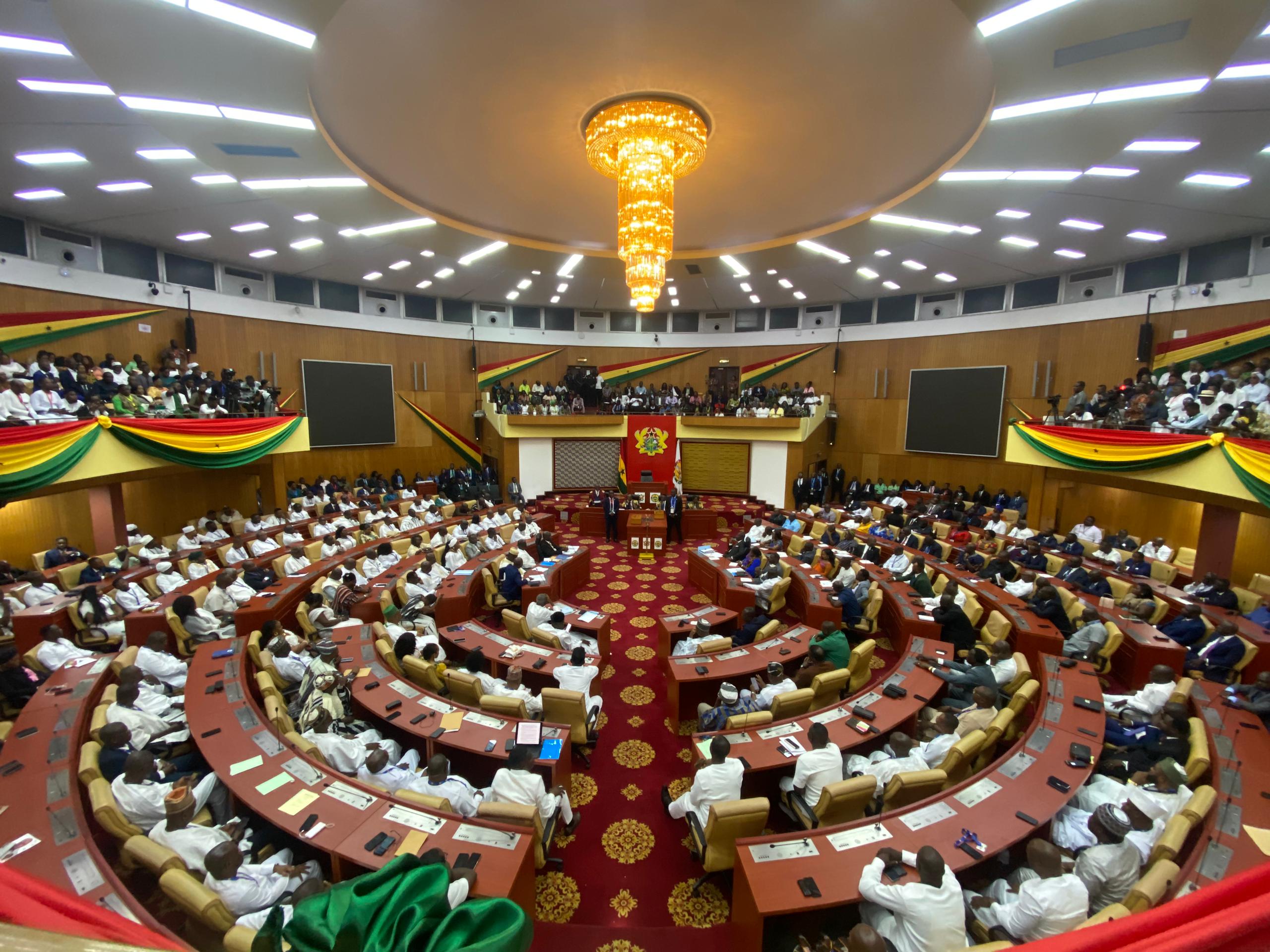
Parliament concluded the Second Meeting of the First Session of the Ninth Parliament by passing 12 major Bills aimed at strengthening governance, improving revenue mobilisation, modernising key sectors of the economy and enhancing public service delivery.
The legislation, passed between May and July 2026, covers taxation, investment promotion, maritime security, defence, justice, local governance, cocoa sector reforms and energy financing.
The Bills form part of the Government’s wider reform agenda to address structural challenges, improve institutional efficiency and support long-term economic growth.
Among the key enactments was the Human Sexual Rights and Family Values Bill, 2025, passed on May 29. The legislation seeks to promote what it describes as Ghanaian family values by prohibiting activities relating to LGBTQ+ advocacy, promotion and related practices, while prescribing sanctions for prohibited acts. The Bill has attracted significant domestic and international debate over human rights, constitutional freedoms and cultural values.
On June 25, Parliament passed the Ghana Investment Promotion Authority Bill, 2025, establishing a new investment promotion authority to replace the existing framework. The law is expected to improve the investment climate, streamline investor services, strengthen regulation and attract both domestic and foreign direct investment.
The Maritime and Related Offences Bill, 2026, passed on June 30, strengthens Ghana’s legal framework for combating piracy, armed robbery at sea, illegal fishing, trafficking and other maritime crimes. It also aligns domestic legislation with international maritime conventions.
Parliament approved the Community Service Bill, 2026, on July 8, introducing community service as an alternative sentencing option for certain offenders to reduce prison overcrowding, promote rehabilitation and encourage community reintegration.
On July 17, lawmakers passed the National Defence University, Ghana Bill, 2026, establishing a specialised institution to provide advanced military education, research and professional training for the Ghana Armed Forces and other security agencies.
As part of the Government’s 2026 fiscal reforms, Parliament on July 29 passed both the Value Added Tax (Amendment) Bill, 2026, and the Income Tax (Amendment) Bill, 2026. The amendments seek to improve tax administration, strengthen compliance, simplify tax processes and enhance domestic revenue mobilisation.
On July 30, Parliament passed the Tribunals Bill, 2026, which provides a modern legal framework for the establishment, composition, jurisdiction and procedures of tribunals to improve access to justice and the efficiency of dispute resolution.
The Customs Bill, 2026, and the Excise Bill, 2026, were also approved on July 30. The Customs Bill modernises customs administration, strengthens border management, facilitates legitimate trade and enhances revenue collection, while the Excise Bill consolidates and updates the legal framework governing excise duties on selected locally manufactured and imported goods.
On the final sitting day before the legal vacation, July 31, Parliament passed the Ghana Cocoa Board Bill, 2026, to reform the governance and operational framework of the Ghana Cocoa Board, improve financial management and support the long-term sustainability of the cocoa sector.
Lawmakers also approved the Energy Sector Levies (Amendment) Bill, 2026, which revises the Energy Sector Levies Act by increasing levies on fuel oil and extending the Road Fund Levy to fuel oil. The Government said the amendments would plug revenue leakages, curb abuse within the fuel subsidy regime and strengthen financing for the energy sector while maintaining tax refunds for eligible industrial users through a post-payment refund mechanism.
The passage of the 12 Bills underscores Parliament’s legislative focus on implementing government policy commitments, strengthening public institutions and creating legal frameworks aimed at improving governance, economic competitiveness and national development.