The New Patriotic Party (NPP) has questioned the Government’s planned GH¢2.00 per litre reduction in diesel prices, describing the measure as temporary and insufficient to offset increases in fuel prices over the past year and a half.
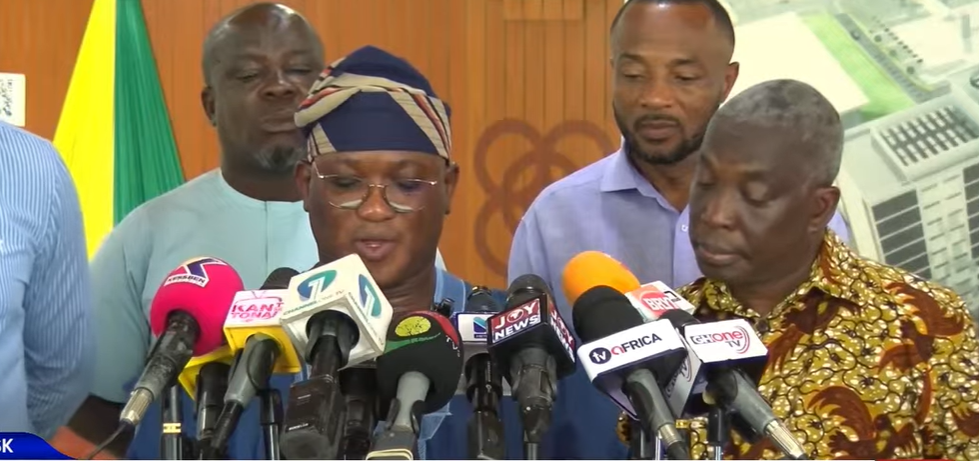
Addressing a press conference in Accra on Tuesday, Chairman of the NPP Policy Co-ordination Committee and Member of Parliament for Ofoase-Ayirebi, Mr Kojo Oppong Nkrumah, said diesel prices would remain significantly higher than their January 2025 levels despite the announced reduction.
He said petrol sold at about GH¢15.13 per litre and diesel at about GH¢15.49 per litre in January 2025, adding that current prices would remain above those levels even after the proposed relief.
“The reduction cushions part of the increase that has already happened,” Mr Oppong Nkrumah said, arguing that it did not reverse the overall rise in fuel prices.
The NPP criticised the Energy Sector Levies (Amendment) Act, stating that the Government imposed an additional GH¢1.00 levy on every litre of petroleum products in June 2025.
Mr Oppong Nkrumah said the levy took effect on July 16, 2025, and remained in force, with consumers continuing to bear the additional cost.
He argued that while diesel users would receive temporary relief, petrol consumers would not benefit from the same intervention.
Mr Oppong Nkrumah further contended that the diesel price reduction would reduce revenue available for energy sector debt servicing, road maintenance and deficit reduction.
He estimated that the intervention could result in about GH¢400 million in foregone revenue over a one-month period.
The party also expressed concern over amendments passed by Parliament on July 31, 2026, which increased the Energy Sector Shortfall and Debt Repayment Levy on fuel oil and extended the Road Fund Levy to fuel oil.
While acknowledging efforts to curb tax evasion, the NPP said the refund mechanism for eligible industrial users had not been adequately explained.
It questioned how consumers, who ultimately bear the cost through higher prices, would benefit if companies later received refunds.
Mr Oppong Nkrumah also cited a recent World Bank assessment, which reportedly downgraded Ghana’s Energy Sector Recovery Programme from “Moderately Satisfactory” to “Unsatisfactory.”
According to him, the assessment reflected persistent operational losses at the Electricity Company of Ghana and the Northern Electricity Distribution Company, as well as delays in implementing key sector reforms and governance measures.
The NPP called on the Government to publish the full fuel price build-up, disclose the source of financing for the diesel price relief, provide details of any budgetary allocation for the measure and explain its expected impact on transport fares and the prices of essential goods.
The party further proposed a transparent, rules-based fuel price intervention framework with published fiscal limits, targeted support for public transport, food distribution, agriculture and fishing, as well as automatic sunset clauses linked to movements in crude oil prices and exchange rates.
Mr Oppong Nkrumah said the NPP would pursue the matter in Parliament through urgent questions on the financing of the diesel relief and the continued application of the GH¢1.00 fuel levy.
He added that the party would monitor fuel levy collections, refunds to industry and changes in pump prices, while engaging transport unions, businesses and consumer groups on the impact of current fuel policies.